
Dust Control and Home Protection During a Major Remodel
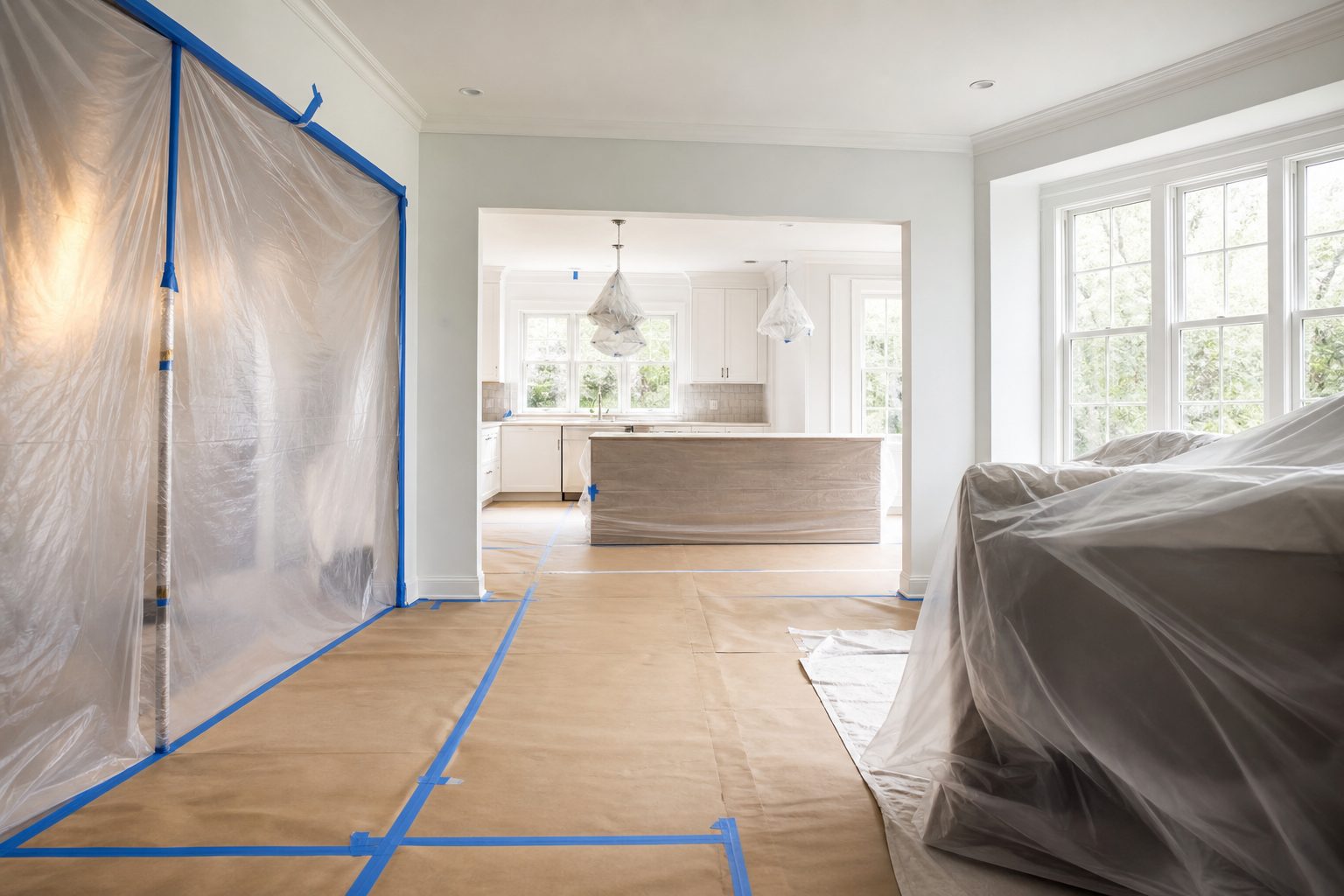
How to Protect Your Home During a Major Remodel
A major remodel changes how you use your home for weeks or months. Demolition, drywall work, sanding, cutting, and daily foot traffic can produce dust and put floors, furniture, mechanical systems, and finished rooms at risk.
Learning how to protect your home during remodeling starts with a project-specific containment plan. For a luxury renovation, protection should not be treated as a last-minute task. It should be part of pre-construction planning, site setup, daily work, and final cleaning.
Why Remodeling Dust Requires a Plan
Construction dust can travel through doorways, stairwells, floor gaps, and air pathways. Fine particles may settle far beyond the work zone, even when the renovation is limited to one kitchen or bathroom.
Dust control matters in any home, but it requires added attention when a property contains:
- Finished hardwood, natural stone, or custom millwork
- Valuable furniture, artwork, or electronics
- Occupied rooms next to the work area
- Older building materials that may require testing
- Shared hallways or limited access routes
- Multiple phases of interior construction
The objective is not simply to clean after dusty work. A well-planned approach limits how much dust leaves the work area in the first place.
Establish a Contained Work Zone
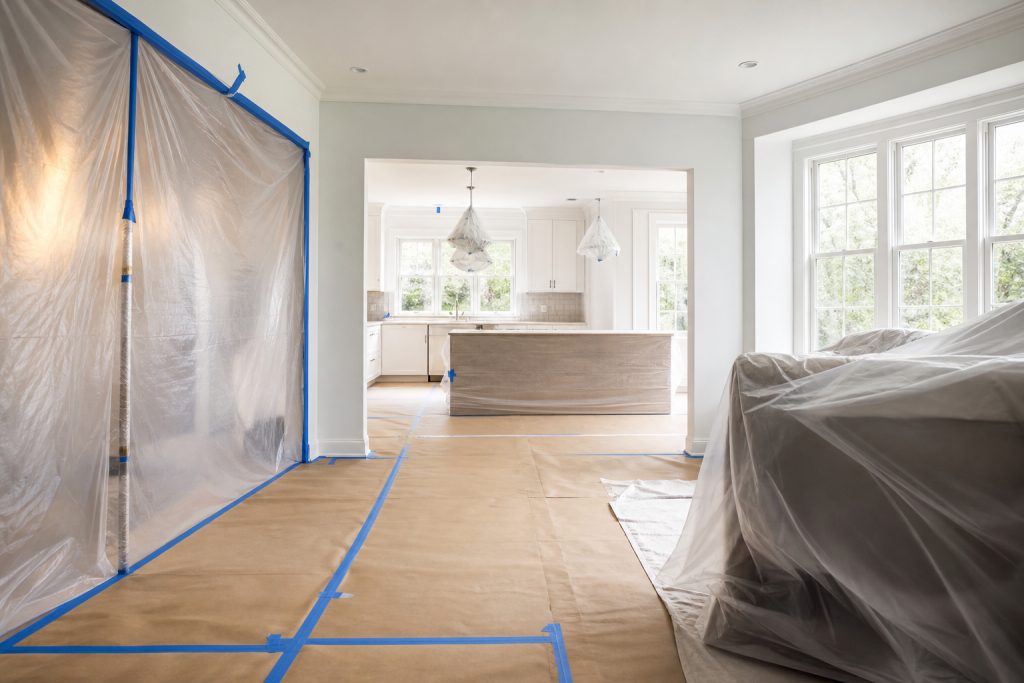
Temporary barriers should separate active construction from occupied and completed areas. Depending on the project, containment may include plastic sheeting, rigid temporary walls, sealed openings, and zippered access doors.
The barrier layout should account for how workers and materials will move through the property. Frequently opening an unprotected doorway can undermine otherwise careful containment.
For larger renovations, it may be helpful to create distinct zones for active work, material storage, tool use, and homeowner access. The plan may need to change as construction advances into different rooms.
Control Air Movement and Fine Dust
Physical barriers work best when paired with appropriate air management. Professional-grade HEPA air scrubbers and negative-air equipment may be used to capture airborne particles and help direct air away from occupied spaces. The correct setup depends on the home, work area, weather, and construction phase.
Heating and cooling systems also require attention. Return vents and supply registers near the work zone may need temporary protection or another project-specific strategy. Homeowners should not independently block vents or shut down equipment without guidance, since improper changes can affect system operation, moisture, temperature, or indoor air quality.
Tools connected to dust-extraction equipment can also capture debris closer to its source during cutting and sanding.
Protect Floors, Stairs, and Finished Surfaces
Construction traffic can damage a home even when dust is controlled. Floor protection should be selected for the surface beneath it and secured without using adhesives that could harm the finish.
A protection plan may cover:
- Hardwood, tile, stone, and carpet
- Stairs, railings, and landings
- Cabinetry and built-ins outside the work zone
- Door frames, corners, and narrow passageways
- Countertops and plumbing fixtures that will remain
- Elevators or shared building corridors when applicable
Durable, slip-resistant walkway protection is especially important along the route between the work area and exterior entrance. Protective materials should be inspected and replaced when they become torn, wet, or heavily soiled.
Plan Material and Debris Routes
Dust control extends beyond the room being remodeled. Before construction starts, the project team should determine how materials will enter and how debris will leave.
Whenever practical, a dedicated entrance can reduce traffic through occupied rooms. Debris should be contained before it is carried through the house, and exterior areas may also need protection from carts, equipment, dumpsters, or deliveries.
Clear routes help protect existing finishes while supporting safer, more orderly work.
Use Daily Cleanup as Part of Site Management
Waiting until the end of the project to address dust is not enough. Regular cleanup prevents debris from accumulating and being tracked into other spaces.
Daily routines can include:
- Using HEPA-equipped vacuums where appropriate
- Removing debris from the active work area
- Cleaning protected traffic routes
- Checking barriers for gaps or damage
- Confirming that doors and access points remain sealed
- Organizing tools and materials before the site is closed
The contractor should also explain what homeowners can expect at the end of each workday, including which rooms may be used and which areas must remain off-limits.
Take Extra Care in Older Massachusetts Homes
Older Massachusetts homes can contain materials that should not be disturbed without proper assessment. Before demolition, suspicious materials may need evaluation by qualified professionals. Examples can include lead-containing coatings or asbestos-containing materials.
Homeowners should not sand, scrape, drill, or remove a questionable material themselves. Testing, containment, and removal requirements depend on the material and project conditions. These issues are best addressed during planning rather than after demolition begins.
Older homes may also contain uneven floors, limited access, aging mechanical systems, and concealed conditions that affect the protection strategy. Experienced planning helps the team adapt containment and construction sequencing to the property.
Decide Whether to Stay Home During Construction
Some homeowners remain in place during a kitchen, bathroom, or phased interior remodel. Others temporarily relocate during demolition or particularly disruptive stages.
The right decision depends on the project scope, available bathrooms and cooking facilities, household health needs, children, pets, noise tolerance, and whether construction can be isolated effectively. Discuss these factors before work starts so living arrangements can be coordinated with the anticipated sequence.
Questions to Ask About Home Protection
Before selecting a remodeling contractor, ask:
- What areas of the home will be protected?
- How will the work zone be separated from occupied rooms?
- What dust-extraction and air-control equipment may be used?
- How will floors, stairs, and existing finishes be covered?
- What route will workers, materials, and debris follow?
- How often will the site and access routes be cleaned?
- How will the plan change as work progresses?
- Who should I contact if a barrier or protective covering is damaged?
These details should be considered alongside scope, scheduling, communication, and construction quality. Sordan Construction’s home interior remodeling services bring planning and construction together under one coordinated team. Homeowners can also review the company’s Massachusetts remodeling planning guide for additional preparation considerations.
Related Resources
Mudroom Materials That Stand Up to New England Weather
What to Plan for Smart Home Features Before Walls Are Closed
Protect Your Home Before Remodeling Begins
Effective home protection is established before demolition starts and maintained through every construction phase. Thoughtful containment, air management, surface protection, cleanup, and communication can reduce disruption while safeguarding the parts of your home that are not being renovated.
Planning a custom renovation in Greater Boston or the Merrimack Valley? Schedule a consultation with Sordan Construction to discuss your remodeling goals, project scope, home protection priorities, and next steps.
